Recalled on the Road: A Step-by-Step Emergency Plan for Britax ClickTight Owners Traveling Away From Home
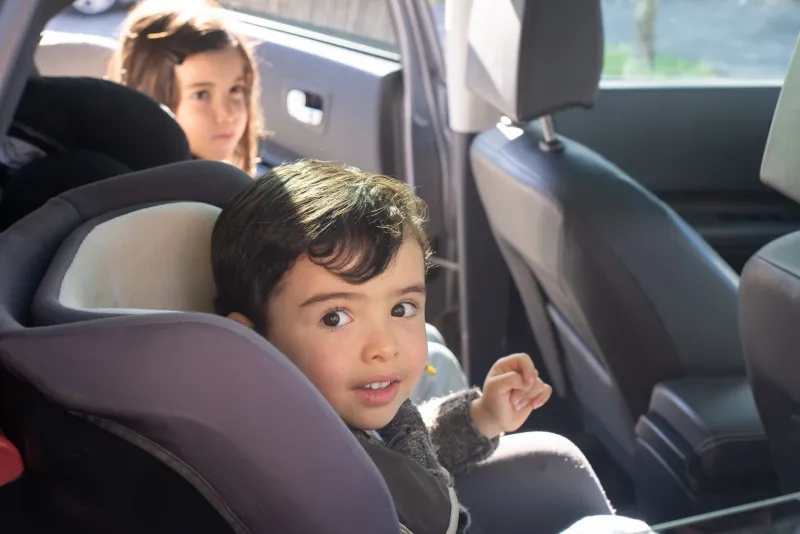
Imagine this: your family is three hours into a cross-country drive, the children are settled, and your phone buzzes with a notification that your Britax ClickTight convertible car seat has been included in a federal safety recall. The instinct to panic is understandable. The decision to act calmly and methodically, however, is what will keep your child protected and your trip from collapsing entirely.
Recall notices do not arrive on a schedule that is convenient for families. They surface during holiday weekends, summer road trips, and long-distance relocations — precisely the moments when parents feel most removed from their usual resources. This guide is designed to help you navigate that exact scenario with clarity and confidence.
Stop, Breathe, and Assess the Specific Risk
Not every recall carries identical urgency. The National Highway Traffic Safety Administration (NHTSA) classifies recalls according to the nature and severity of the defect. Before making any abrupt decisions, pull over safely and read the recall notice in full. Identify the specific model number and date-of-manufacture range that are affected, then confirm whether your particular seat falls within those parameters.
You can verify your seat's status by visiting NHTSA's official recall database at nhtsa.gov or by calling the NHTSA Vehicle Safety Hotline at 1-888-327-4236. Britax's own customer service line can also confirm whether your specific unit is included. Avoid relying solely on secondhand summaries shared on social media, which may contain inaccurate or incomplete information.
Once you have confirmed whether your seat is affected, read the recall description carefully. Some defects are triggered only under very specific conditions — a particular installation method, a specific harness position, or a manufacturing batch with a known component failure. Understanding the precise nature of the defect will inform how you proceed for the remainder of your journey.
Immediate Safety Decisions While Away From Home
If the recall identifies a defect that poses an active and immediate risk during normal use, the safest course of action is to discontinue using the seat until a remedy is obtained. This is a difficult reality when you are traveling with a young child, but child passenger safety must take precedence.
In that situation, consider the following options:
Locate a certified child passenger safety technician (CPST) nearby. The Safe Kids Worldwide inspection station locator at safekids.org allows you to search for certified technicians by ZIP code anywhere in the United States. A CPST can assess your specific seat, confirm the recall status, and advise you on whether continued use poses an immediate hazard based on the nature of the defect.
Contact a local baby equipment rental service. Many metropolitan areas and popular family vacation destinations have companies that rent or loan infant and child car seats on a short-term basis. These services typically stock seats that meet current federal safety standards. Verify that any rented seat is not itself subject to an open recall before installing it.
Visit a local retailer. If purchasing a temporary replacement seat is financially feasible, a major retailer such as Target, Walmart, or Buy Buy Baby can provide a compliant seat for the duration of your trip. Keep all receipts, as some recall remedies — particularly those involving full replacement — may allow for reimbursement documentation to be submitted later.
Contact your insurance or roadside assistance provider. Some comprehensive auto insurance policies and roadside assistance memberships include provisions for unexpected travel disruptions. While car seat replacement is not a standard benefit, customer service representatives may direct you toward local resources you would not otherwise know to contact.
Continuing the Journey When Risk Is Assessed as Low
If the recall notice describes a defect that does not present an immediate danger during standard use — for example, a component that may fail only under extreme crash conditions or a labeling error — you may determine, in consultation with available safety resources, that continuing to use the seat for a limited period is an acceptable interim measure.
In this case, document your decision-making process. Note the date you received the recall notice, the steps you took to verify your seat's status, and any guidance you received from Britax or NHTSA. This documentation is not legally required, but it demonstrates that you acted as a responsible and informed consumer.
Regardless of the risk level, do not alter the seat's installation or harness configuration in an attempt to work around the identified defect. Improvised modifications can introduce new hazards and may void the seat's warranty or complicate your recall remedy claim.
Registering for the Remedy While on the Road
Recall remedies — whether a free repair kit, a replacement component, or a full seat replacement — do not require you to be at home to initiate the process. You can register your seat and submit your claim from anywhere with internet access.
Visit Britax's official website to locate the recall-specific remedy page. You will typically need your seat's model number, manufacture date, and proof of purchase. If you do not have that documentation with you while traveling, photograph the seat's label before leaving home on any future trip — it is a simple precaution that pays dividends in exactly this kind of situation.
If a replacement seat is being mailed, you can often request that it be shipped to an alternate address — a hotel, a family member's home at your destination, or your home address for when you return. Call Britax customer service directly to discuss shipping logistics if the standard online form does not accommodate alternate delivery addresses.
When You Return Home
Once your trip concludes, follow through on the remedy process without delay. Recall remedies are provided free of charge by the manufacturer, and there is no legitimate reason to postpone addressing the issue once you are back in your normal environment.
If you purchased a temporary replacement seat during your travels, retain all receipts and contact Britax to inquire about reimbursement eligibility. While reimbursement is not guaranteed in every recall scenario, manufacturers occasionally accommodate documented out-of-pocket expenses incurred due to a confirmed safety defect.
Finally, register any new seat you acquire — whether it is the remedy replacement or the temporary seat purchased during your trip — with the manufacturer immediately. Registration ensures that you will be notified promptly if that seat is ever involved in a future recall, so you are never again caught unprepared.
Preparedness Is the Best Travel Companion
The families who navigate mid-trip recall discoveries most effectively are those who prepared before they ever left the driveway. Photograph your seat's label, save Britax's customer service number in your phone, and check NHTSA's recall database before any extended journey. These small habits require minutes but can spare you hours of anxiety on the road.
Recalls are a normal feature of the consumer product landscape — they reflect a safety system that is working as intended. What matters most is how quickly and thoughtfully you respond. With the right information and a clear action plan, a recall notice encountered far from home becomes a challenge you are fully equipped to handle.